

Live support
* You must consent to the Personal Data Protection Law (KVKK) text in order to connect to live support.

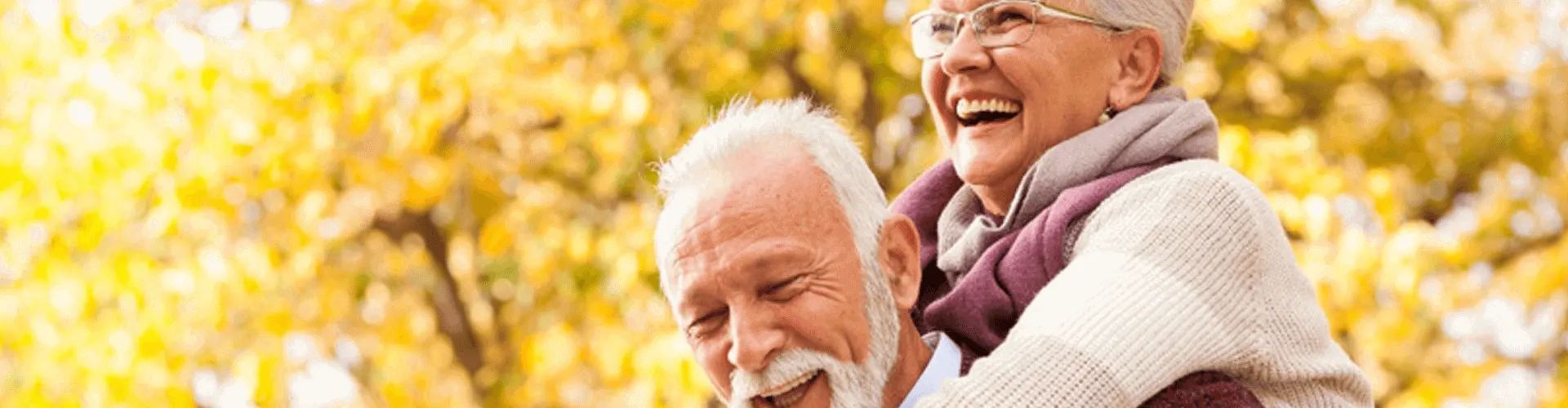
The World Health Organisation (WHO) defines sexual health as a state of physical, emotional, mental and social well-being in relation to sexuality. Sexual health requires a positive and respectful approach to sexuality for a safe and healthy sex experience. The sexual rights of individuals must be respected, protected and fulfilled for a healthy sexual life. There is no upper age limit for sexuality. Sexual life does not end with ageing. Setting limits on the sexuality of the elderly means discrimination.
1- What kind of changes occur in male and female sexual life with ageing?
In females, a decrease in vaginal lubrication occurs after the beginning of menopause. More arousal is necessary for the lubrication. Plateau phase is prolonged. Orgasmic capacity does not reduce. Contrary to popular belief, elderly women can achieve orgasm. In males, there is less penile stiffness and sensitivity. Penile arousal becomes a necessity for erection. Sufficient erection requires more time and arousal. The refractory period lasts longer. Ejaculation is delayed.
2- Do men experience a condition similar to menopause in women?
Menopause is characterised by the loss of ovarian function. Loss of oestrogen hormone results in decrease in pubic hair, loss of subcutaneous adipose tissue in the genital area, short vagina which has lost its elasticity, and decreased vaginal epithelium thickening. Pain during sexual intercourse and a 50% decrease in androgen reserve result in loss of sexual desire. Although it is not exactly the same in men, a similar condition occurs. Hormone deficiency and old age are the main cause of this condition, which is called andropause.
In conclusion, sexuality is a lifelong and natural instinct. It does not end with ageing. It is possible to live a healthy old age and sexuality with the help of appropriate support in today’s conditions, in which life expectancy is increasing.